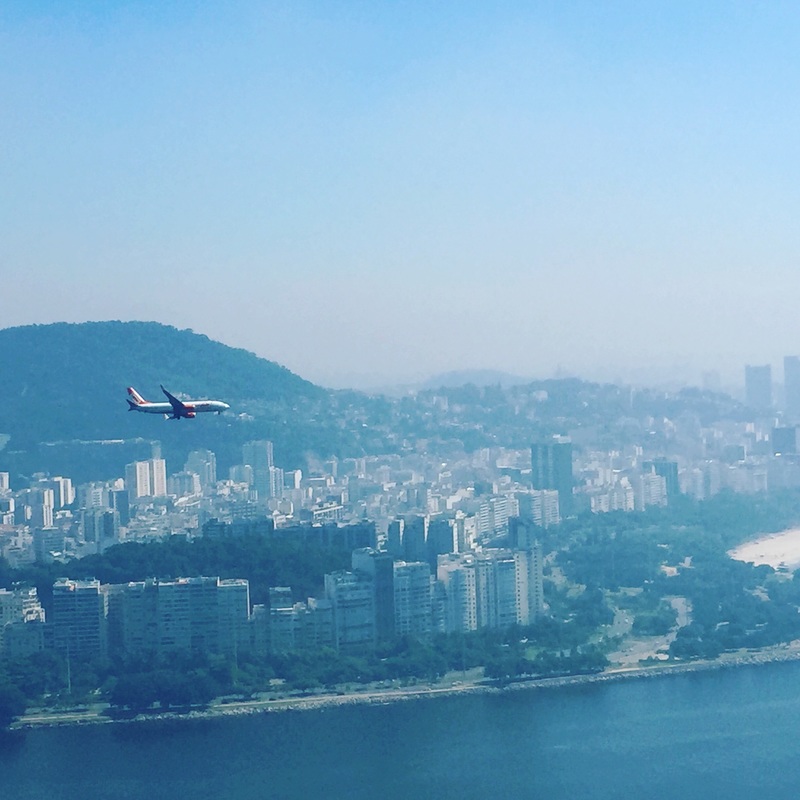
 Between the FIFA World Cup and the Summer Olympics, Rio is somewhat of a buzzword these days with the focus of the world's media on the sixth largest city in the Americas.
A booming economy in the early 2000's has catapulted Brazil onto the world stage, and where Brasilia is the brains, Sao Paulo the hard working heart, Rio is undoubtedly the soul of this great country. I stayed here for just under a week during my trip to South America and I felt like I had barely scratched the surface. The city retains a portion of its Portuguese heritage and combines it with West African and indigenous culture to create the distinct Brazilian feel that has given the world Carnival and Samba. The Maracana was closed on my arrival but here are my top 5 favourite things about Rio. 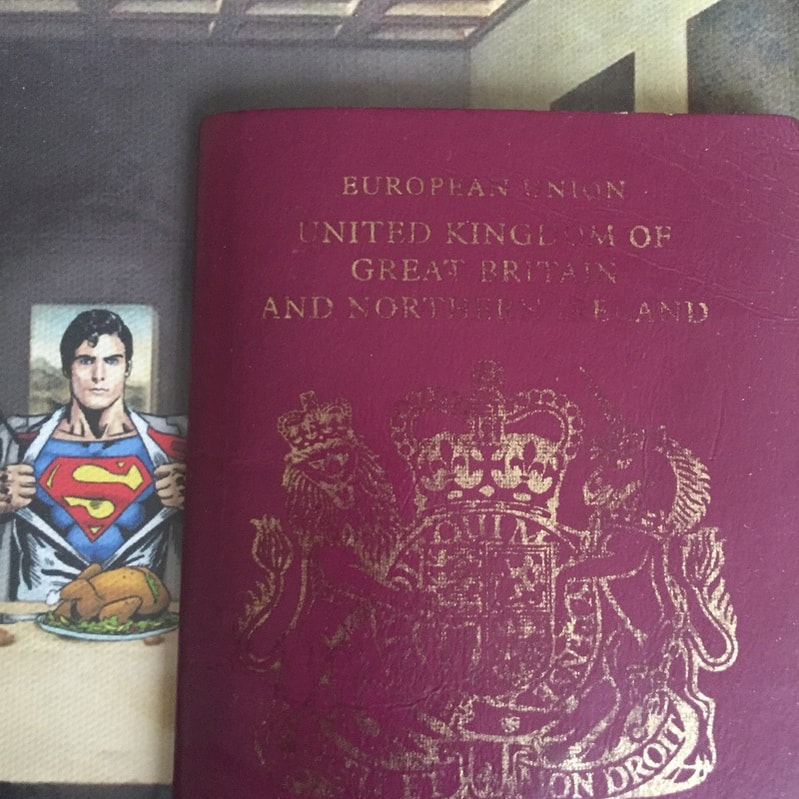 The Red PassportIf you are a British citizen, you hold a passport ranked 1st in the world by the World Tourism Organisation in terms of freedom of travel.
A British Passport entitles the holder to have visa free, or visa on arrival travel for approximately 175 countries across the world, and in this entry I will list the different types of visa requirements for some of the most popular destinations in the world broken down by region. 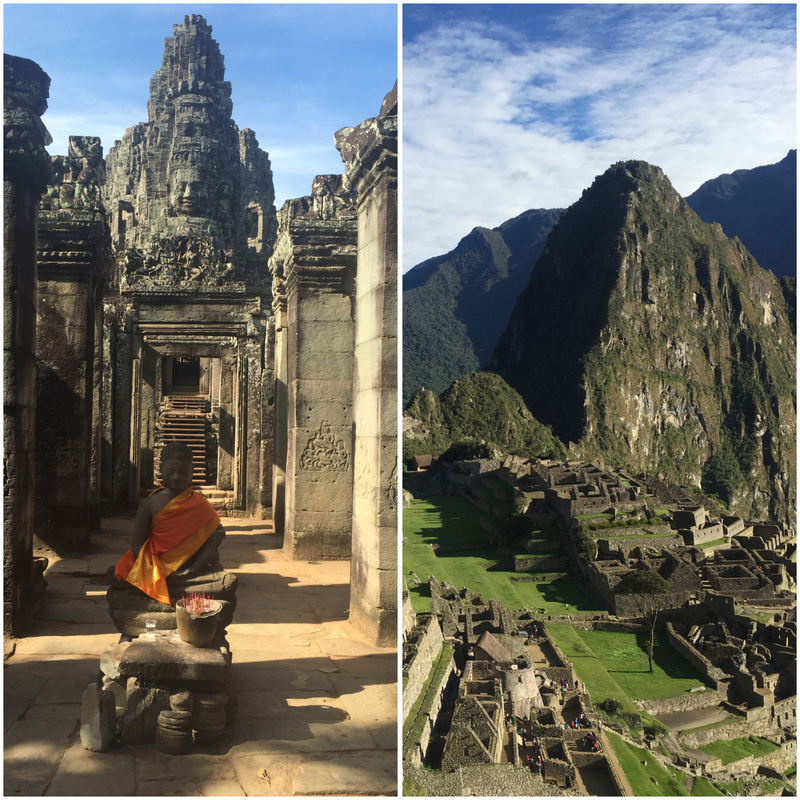 Summary
South East Asia or South America. These two parts of the world have seen an explosion of popularity over the past decade and for most people the decision of where to visit first is often a difficult one. In this entry, I'll try and rate each of the locations on factors that are important to the average person and come up with an overall rating. Things to considerBefore I get things started, its important to note that my experiences over the two locations will vary. I spent more time in South East Asia, and it was also the place I decided to visit first. There are important locations missing from both locations. I didn't visit Laos in SE Asia and I didn't visit Colombia and Argentina in South America. Personally, I feel that Argentina is a significant omission due to the size of the country and the number of things to see and do. Ratings and experiences are also very subjective, my experience could be significantly different from the experience of others so I'd bare this in mind when you make your decision.
Finally, a comparison between the two locations isn't an exact science. The phrase apples and oranges comes to mind. Peru and Brazil have completely different cultures, speak completely different languages, yet for the purpose of comparison they have been lumped together under a loose 'South American' category. This entry is a subjective rough overview of my experiences and can form part of your research into each location. 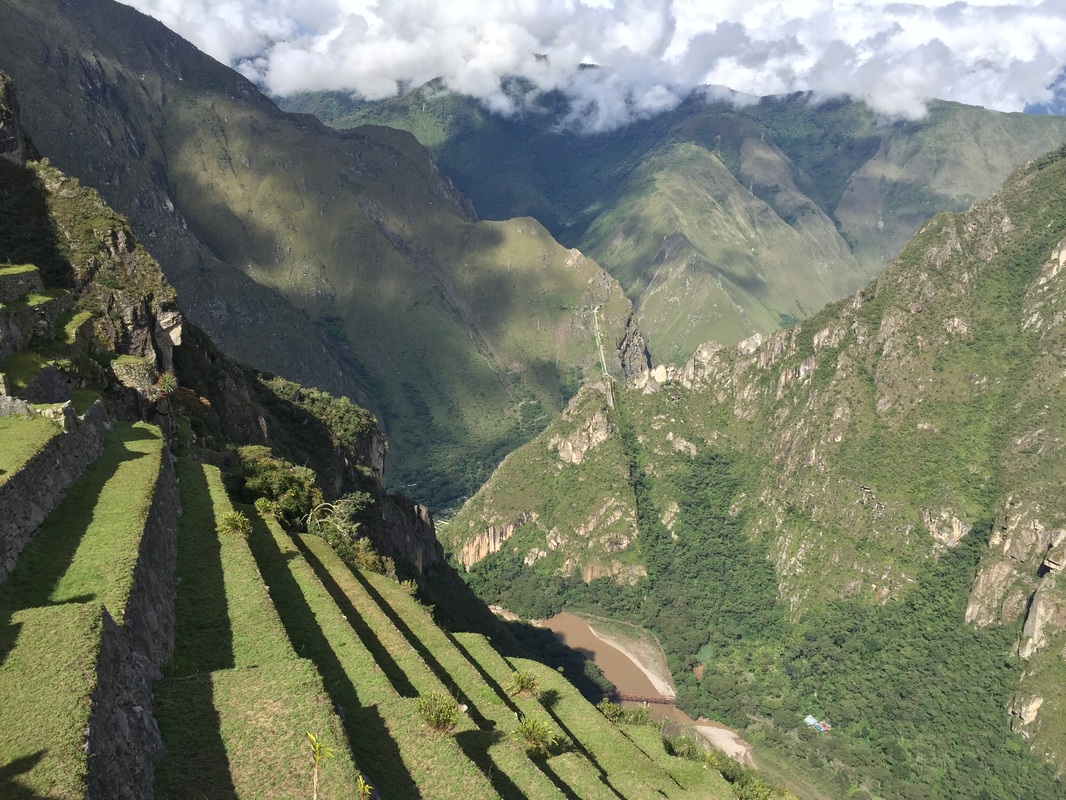 Summary
I was ridiculously underprepared for my trek to Machu Picchu, but I made it to the site in one piece. Looking back at the trip now, I realise there were probably a few things more important than others, and possibly a couple of things I could have done without.
 SummaryAirport Rating ***** Reception of locals ***** Cost: £££
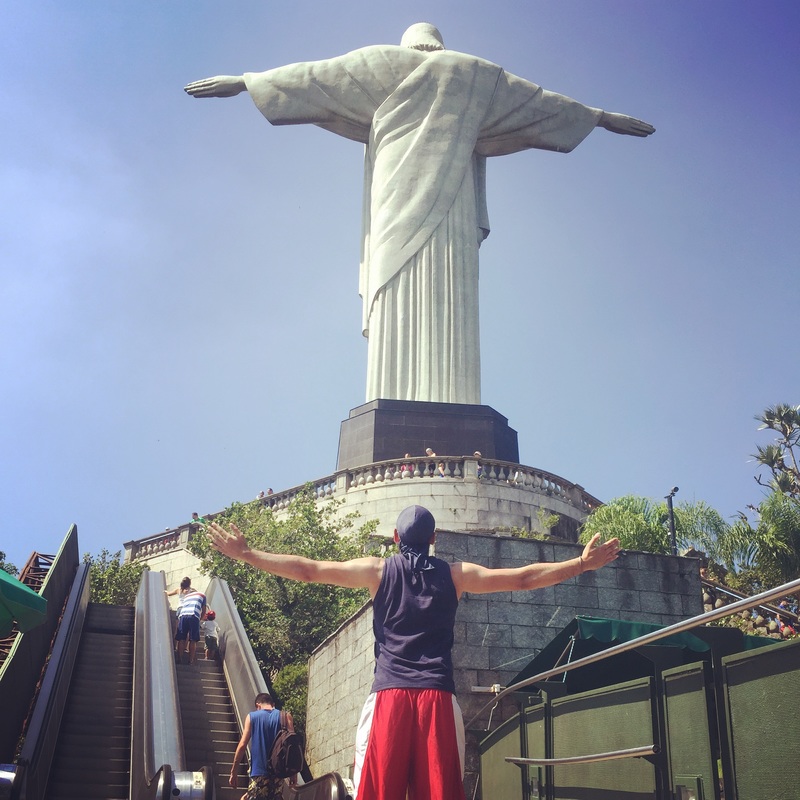
Rio was the last stop on my travels from the Pacific to the Atlantic Ocean, and in many respects it was a case of saving the best for last. Now in terms of adventure, it wasn't going to compete with climbing a mountain in Peru or exploring Machu Picchu, nor was it going to compete with the sight of the salt flats in Bolivia, but in terms of experience, this city not only lived up to, but exceeded my high expectations.
With Brazil the centre of the sporting world hosting both the FIFA World Cup and Summer Olympics in quick succession, you can tell as soon as you land the large re-development programmes being undertaken. I landed in a terminal that was not even fully completed, with advertisements for the Olympics everywhere. I jumped into a taxi, and after the relatively orderliness of Santiago, it was back onto manic roads as soon as we left the airport. Again the modernisation programme was in full swing, although this time less positive. As I drove along the main highway from the airport to the Copacabana, I noticed large opaque blocks along the road. It took me a few minutes to realise that behind these blocks were favela's that were basically being hidden from public view. 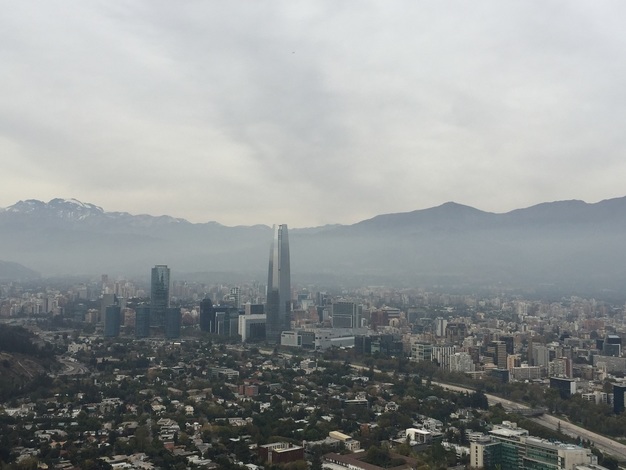 SummaryAirport Rating ***** Reception of locals **** Cost: £££
After a week of playing catch up following my flight cancellation in Peru, the day had come when I was finally back on schedule. I got an early morning transfer from San Pedro de Atacama to Calama airport about an hour and a half away. Driving along the empty highway between the two towns in the darkness with no street lights was oddly relaxing and I drifted off on a number of occasions. I reached Calama shortly after sunrise and entered the small airport. I walked right up to check in and presented my passport. "Flying to Santiago?" the check-in lady asked. "Yep". "Okay, your flight has been cancelled".
Is this girl on crack, I thought to myself. I asked if they could put me on a train but I was told that there was no train station in the city. So I asked what my options were. She told me the airline was on strike and the next flight would be leaving in 6 days. Yep, she must have hit the crack hard, I then asked whether any other airlines were flying out from the airport and she told me there was one more and I could see if they had any spare seats. I asked for a letter showing that the flight was cancelled. I then spoke about what I would be entitled to which she agreed with and also told me I would be compensated for the flight once I got to Santiago, which I thought was pretty ironic. 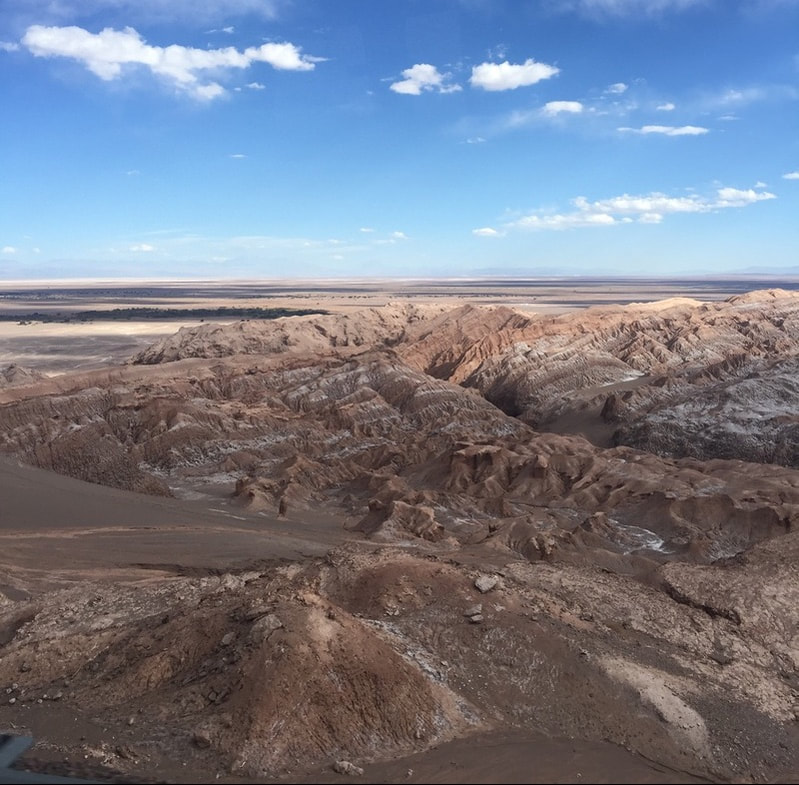 SummaryAirport Rating *** Reception of locals ***** Cost: ££
San Pedro de Atacama bore the brunt of the consequences of my cancelled flight. Having planned to spend a whole day there with a night tour of the desert, I managed to reach the town 12 hours later than I had originally planned, meaning for me, it was more of a resting place as opposed to a town I could explore.
As I mentioned in a previous entry, the flight cancellation had meant that I had to switch my three day salt flats tour to a one day tour. The three day tour would have slowly worked its way down Bolivia and into Chile, reaching San Pedro in small manageable journeys. As I had switched to the one day tour, I had to make one long journey from Uyuni to San Pedro via Calama. 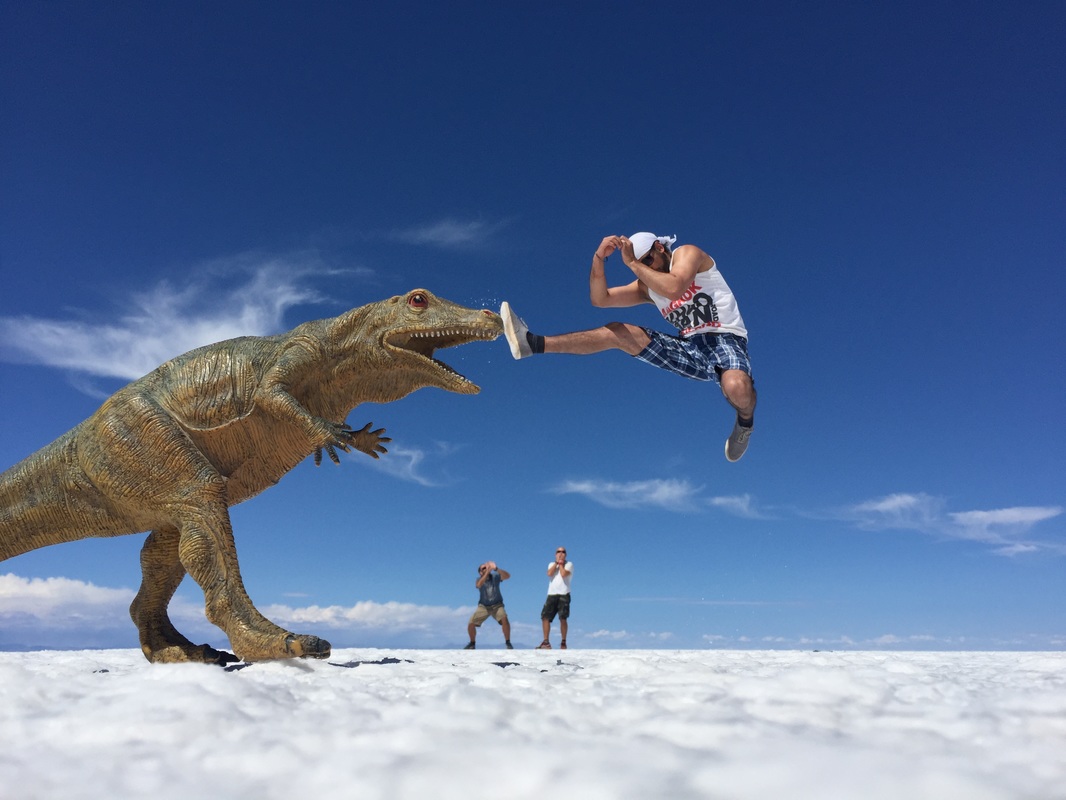 SummaryAirport Rating ***** Reception of locals *****
The cancellation of my flight in Peru had a knock on effect that lasted about a week covering my time in La Paz, Uyuni and San Pedro de Atacama. In Uyuni I had booked a three day salt flats tour. The tours are world famous and take in the salt flats, lagoons and active volcano's as they work their way down to the Chilean border. However, as I had been delayed by two days, I had to cancel the three day tour and rebook onto a one day tour. The tour operators were very helpful, offering me alternative dates and when this wasn't possible, refunding me the extra money that I would have spent on the longer tour. It wasn't ideal, but I figured it was better than nothing.
The plane from Cusco to La Paz was small, but the one from La Paz to Uyuni was tiny. You couldn't actually stand up in the plane and the spaces for the carry on luggage were very small, but did the job for what I had with me. Although the plane could probably seat about 40-60 people, there were only 5 of us on the plane. I had struck up a conversation with a French guy who was living in Dubai. He had a two week holiday and the salt flats were on his bucket list of things to see. I had read nightmare stories about the turbulence on this flight, especially with smaller planes and as I sat down, there was a sick bag right in front of me so I was prepared for the worst. The journey, however was very smooth. As with Cusco, the scenery when flying out of La Paz was phenomenal. Large mountains in the distance surrounded the plane and from every angle the view was more impressive. 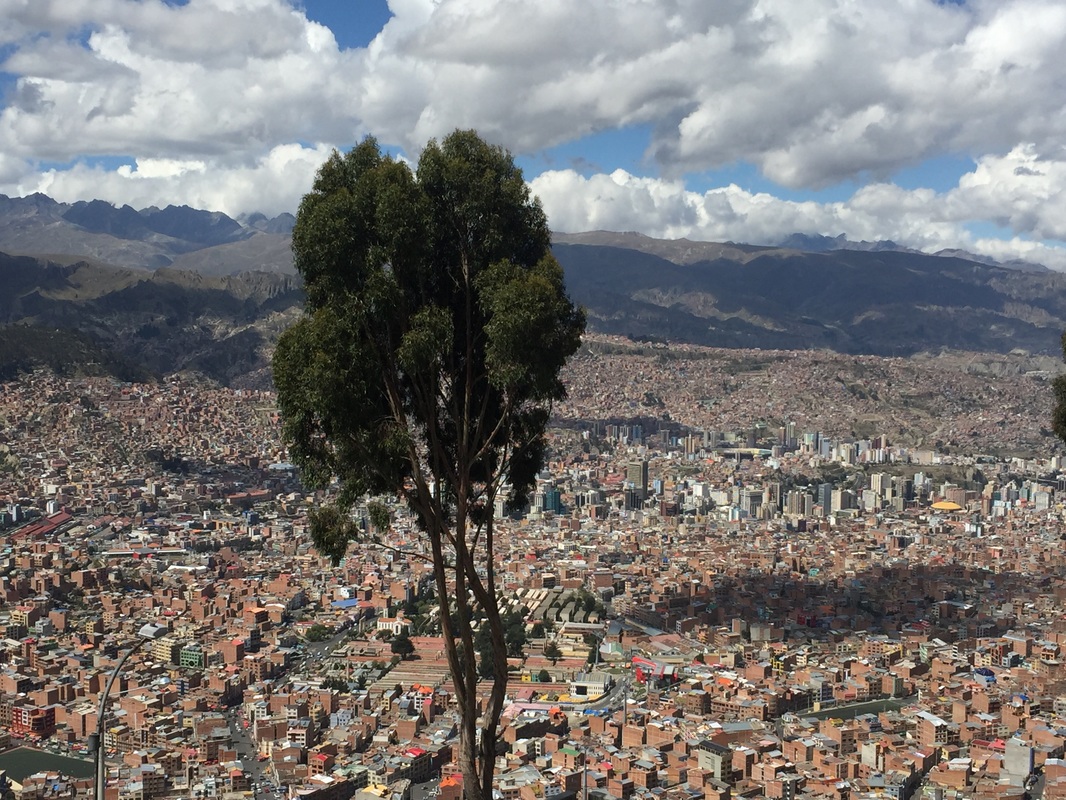 SummaryAirport Rating *** Reception of locals ***** Cost: ££
This is where it all started to go a little wrong on my trip. Unlike my other travels, I had a much stricter timeframe to get around the continent, and any delay or cancellation meant that my plans would have to be substantially altered. Having suffered cancellations before in other countries, I knew this was a very realistic problem and therefore, before I left, I made sure I got the type of travel insurance that would cover any claims.
It all started in Cusco where I turned up for my flight and was told at check-in that it had been cancelled and the next flight wouldn't leave until late the next day. I was told I would reach Uyuni in the morning, which wasn't so bad, but 5 minutes later I was told there was a long stop in La Paz and I wouldn't reach Uyuni until late at night. I had booked a 3 day tour of the salt flats and therefore this wasn't an option. Also in line for the check-in were a group of 5 Chinese tourists and 2 Brazilians who were in a similar position. We started asking for alternate forms of transport, trains or buses but quickly realised that with either option we would still miss our tour. At this point the guy in the check-in began to get a little rude and what was a bad situation started escalating. At first he refused to give us a phone call so we started kicking up a small fuss until he relented and let us use his mobile. Sometimes it feels that other passengers start looking to me when things go wrong. I've been told my resting B face is pretty unfriendly so I guess they thought, "he looks angry, lets leave this with him". I called the tour company and informed them that I would end up being a couple of days late and therefore couldn't do the 3 day tour. They said they would be happy to re-arrange it, but as I had a flight from Calama a day later, I said this wouldn't be possible. In the end I had to change my three day tour into a one day tour which brought up issues of its own which I will address later. After demanding a letter showing our flight had been cancelled, we headed back to a hotel the airline had booked for us. 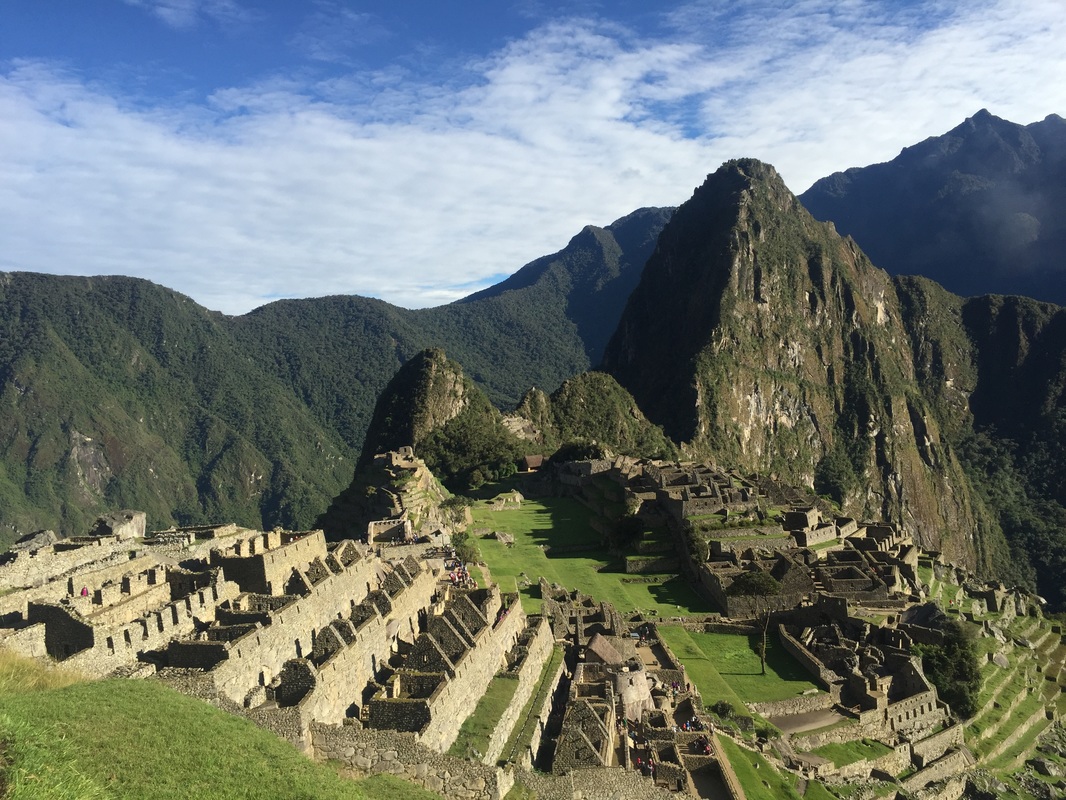 SummaryAirport Rating n/a Reception of locals ***** Cost: ££
It's one of the Seven Wonders of the Modern World and one of the most famous archeological sites in the world. It was after visiting Angkor Wat on the other side of the world in Cambodia that I had begun to plan a trip to South American to see Machu Picchu. The Incan site has seen a growth in popularity over the past decade and it's something that I have personally had an interest in from an early age after reading a few books on pre-Spanish civilisations in South America.
There's a few ways to get to Machu Picchu. The most simple and easiest way is to get a train from Ollantaytambo to Aguas Calientes and then a 20 minute minibus to Machu Picchu. For the more adventurous there are a number of different hiking options. The most famous is the 4 day 3 night Inca Trek which involves walking the same path that the Inca's did to the famous site. However, you can also take 2/3/5/7 and even 8 day treks that either cover the same path and different distances or completely separate paths. |
AuthorBritish Sikh, born in the Midlands, based in London, travelling the world seeing new cultures. 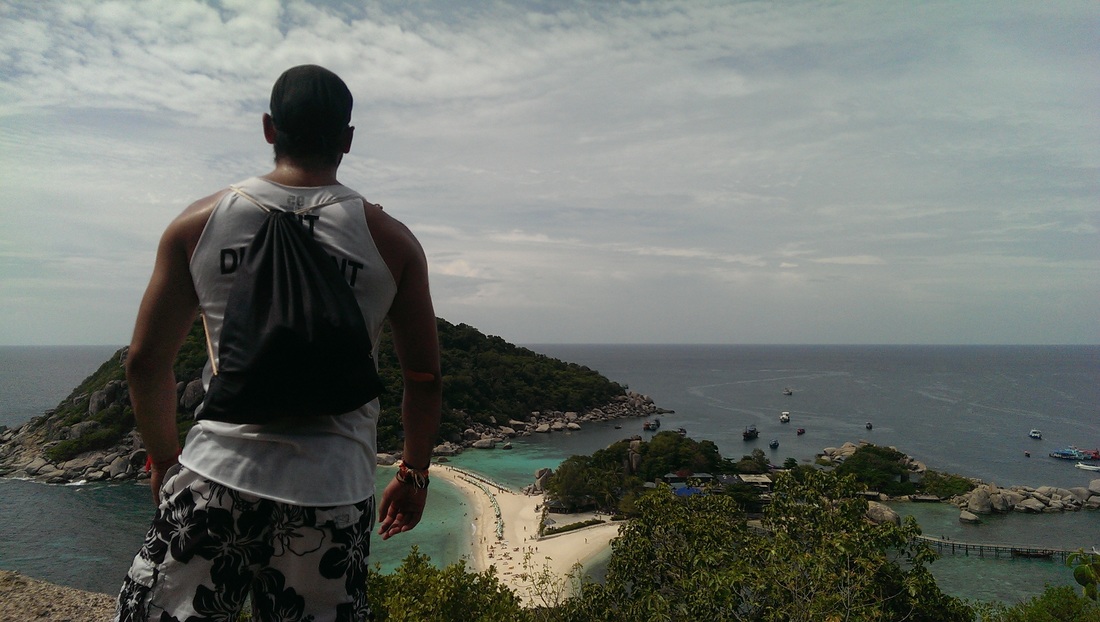
Categories
All
|
 RSS Feed